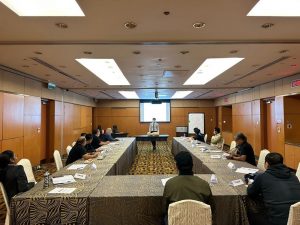
First Aid training is not only about learning how to treat an injury. It helps people understand how to recognise an emergency, respond appropriately and provide immediate assistance while waiting for professional medical help.
In Malaysia, First Aid knowledge can be useful in workplaces, factories, offices, schools, public places, homes and communities.
More importantly, the value of First Aid training goes beyond safety and compliance.
Looking for a First Aid Training quotation in Malaysia? Get in touch with Life Saving Professional Academy (LSPA) today. ⭐ Rated 5.0/5 on Google with 6,288+ reviews, we are trusted by thousands of participants and organisations for professional First Aid, CPR and AED training. Contact us now for a quotation and training arrangement.
1. Emergencies Can Happen Anywhere
An emergency can happen without warning.
A worker may suffer a cut or burn in a factory. Someone may collapse in an office. A person may choke during lunch. A visitor may become unconscious at a workplace or public event.
In these situations, there may be a period between the incident and the arrival of professional medical assistance.
Having people who understand basic First Aid, CPR and emergency response can help an organisation respond more confidently during this critical period.
2. First Aid Training Supports Workplace Safety
Different workplaces have different hazards.
Factories, warehouses, construction sites, offices, schools and other workplaces may face different types of injuries and emergencies.
Depending on the workplace, employees may encounter:
- Bleeding and wounds
- Burns
- Falls and fractures
- Choking
- Unconsciousness
- Heat-related emergencies
- Workplace injuries
- Other medical emergencies
First Aid training helps employees understand the appropriate initial response instead of relying on guesswork.
For workplaces that require more comprehensive occupational First Aid preparation, organisations may consider programmes such as Basic Occupational First Aid (BOFA), CPR and AED training.
[Learn More About First Aid Training]
3. CPR and AED Skills Require More Than Theory
First Aid is not only about minor injuries.
A person may suddenly collapse and stop breathing normally. In such situations, CPR and AED knowledge can be critical.
Reading about CPR is different from performing CPR.
Practical training allows participants to:
See the demonstration → Practise the skill → Receive guidance → Build confidence
This is why practical training is an important part of effective First Aid education.
4. First Aid Preparedness Is Also a Business Issue
For management, workplace safety is not only about protecting employees.
A serious incident can also disrupt normal business operations.
Depending on the situation, an organisation may face:
- Production interruption
- Manpower shortages
- Overtime or replacement workers
- Supervisors being taken away from normal duties
- Investigation and follow-up work
- Equipment or property damage
- Unexpected business costs
- Reputational impact
First Aid training cannot prevent every accident and should not be presented as a guarantee of lower costs.
However, having appropriate First Aid arrangements and trained personnel can help an organisation respond more quickly and reduce the potential impact of an emergency.
For management, First Aid preparedness can therefore be viewed as part of both:
Workplace Safety and Business Continuity
5. Compliance Is Important — But It Is Not the Whole Reason
In Malaysia, workplace First Aid is part of an employer’s wider safety and health responsibilities under the Occupational Safety and Health Act 1994 (Act 514). DOSH guidance also covers appropriate first-aid arrangements, including trained first-aiders and suitable first-aid facilities.
The right arrangement depends on factors such as the type of workplace, number of employees and level of risk.
But compliance is not the only reason to provide First Aid training.
When an emergency happens, someone should know what to do.
[Learn More About First Aid Training in Malaysia]
6. The Right Training Depends on the Workplace
Not every organisation needs exactly the same type of First Aid training.
First Aid Awareness
Suitable for organisations that want to introduce basic emergency awareness to employees.
Essential First Aid, CPR & AED
Suitable for organisations that want employees to learn fundamental First Aid, CPR and AED skills.
BOFA, CPR & AED
Suitable for organisations that require more comprehensive occupational First Aid training with practical training and competency assessment.
The most appropriate programme should be based on the organisation’s workplace, participants and training objectives.
[View First Aid Training Courses]
7. Language Is Part of Training Quality
A First Aid course is only useful when participants understand what they are being taught and feel confident enough to act.
Language can therefore be an important part of training effectiveness.
LSPA can conduct training in:
Full Bahasa Melayu
Full English
A natural mix of Bahasa Melayu and English
The training language and delivery style can be adapted to the participants, from professional staff and supervisors to factory, production, warehouse and operational workers.
The objective is simple:
Participants should understand the training clearly, not simply understand the training manual.
8. A Certificate Is Not the Same as Competence
One of the most important principles in First Aid training is that a certificate is not the final goal.
The real value of training is whether participants can:
- Recognise an emergency
- Stay calm
- Understand the correct first response
- Perform the appropriate skills
- Know when to seek further medical assistance
This is why practical demonstration, supervised practice and assessment are important for programmes where competency is required.
The certificate records that the relevant training requirements were met.
Confidence comes from understanding and practice.
9. First Aid Skills Are Useful Beyond the Workplace
First Aid knowledge is not limited to factories and offices.
The same skills may also be useful:
- At home
- In schools
- During sports activities
- At public events
- In community settings
- While travelling
- When caring for children or family members
An emergency does not always happen during working hours.
Knowing how to respond can therefore be useful well beyond the workplace.
What We Have Learned From Training First Aiders Since 2013
After years of providing First Aid training, one thing remains clear:
People learn better when they can practise.
First Aid is a practical subject. Participants need opportunities to see the skill, perform it and receive feedback.
People respond better when the training is easy to understand.
The language used by the trainer matters, especially when participants come from different educational, professional and workplace backgrounds.
Different workplaces need different levels of preparedness.
A small office, manufacturing facility and high-risk workplace may have very different First Aid needs.
The real value of training appears when people know what to do.
The purpose is not simply to collect a certificate. It is to prepare people to respond appropriately when someone needs help.
LSPA has provided First Aid training in Malaysia since 2013, with more than 100,000 First Aiders trained and more than 5,000 First Aid training sessions conducted.
Who Should Consider First Aid Training?
First Aid training may be particularly useful for:
HR professionals • Safety & Health Officers • Supervisors • ERT members • Office employees • Factory workers • Production workers • Warehouse workers • Schools • Other workplace and community organisations
The appropriate level of training depends on the workplace and the organisation’s needs.
Conclusion
First Aid training is important because emergencies can happen anywhere and the first response can matter.
For organisations, First Aid preparedness supports more than compliance. It can contribute to:
Employee safety • Emergency readiness • Practical confidence • Business continuity
For individuals, the knowledge can remain useful long after the training session ends.
The most important question is therefore not simply:
“Does our company have a First Aid certificate?”
A better question is:
“If an emergency happens today, do we have people who know what to do?”
Contact LSPA for Training Enquiries
Training Hearts, Saving Lives.